


About The Trek
Spiti Valley Trek
The Spiti Valley Trek is an unforgettable journey into the remote landscapes of Himachal Pradesh, where rugged mountains, ancient monasteries, high-altitude villages and vast cold-desert terrain create a landscape unlike anywhere else in the Himalayas.
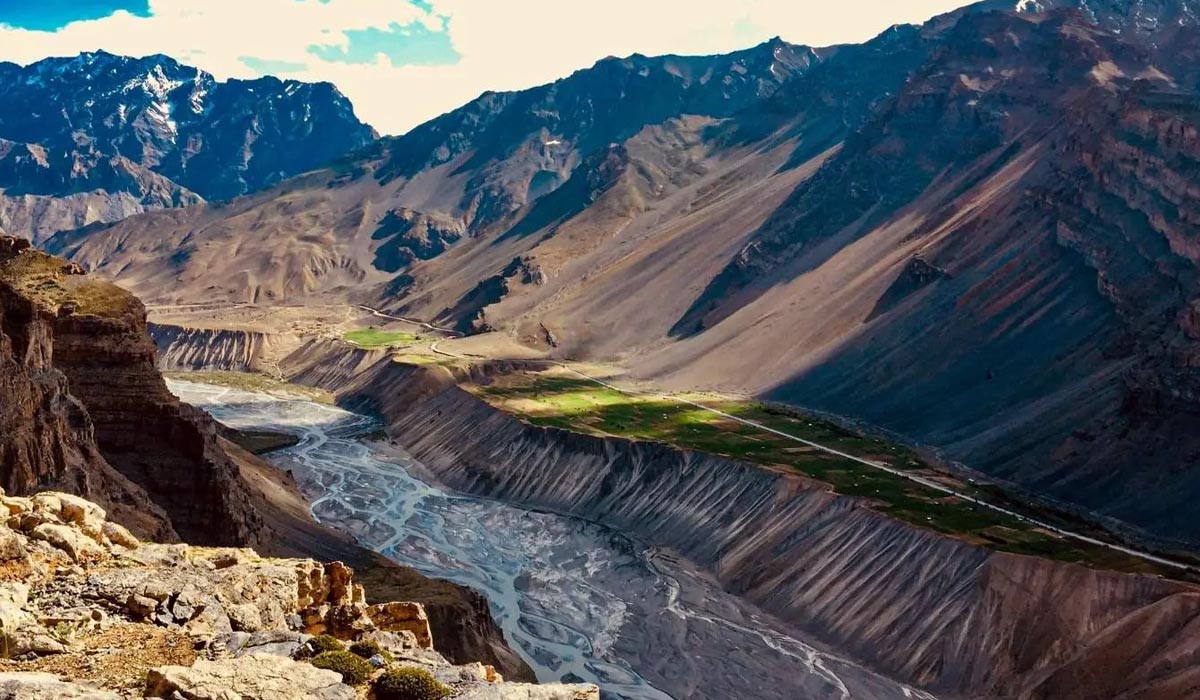
Located in the trans-Himalayan region, Spiti is often described as the “Middle Land” between India and Tibet. The valley is home to centuries-old Buddhist monasteries, traditional villages and some of the highest inhabited settlements in the world.
This trekking expedition takes you beyond the usual sightseeing experience. Instead of simply driving through Spiti, you get opportunities to explore the valley on foot, walking through barren mountain trails, traditional villages, remote passes and high-altitude landscapes.
The journey also provides opportunities to explore iconic places such as Kaza, Key Monastery, Hikkim, Komic, Langza, Demul, Dhankar and Pin Valley. The combination of trekking, local culture and Himalayan scenery makes this an ideal adventure for travellers looking for something more immersive than a conventional Spiti road trip.
The high altitude makes acclimatization particularly important. Trekkers should be physically fit and comfortable walking for several hours in rugged terrain.
Taxes and additional charges may apply.
Book Your Trek
Fill in your details and our trekking expert will contact you shortly.
Detailed Itinerary
Altitude: Kaza – approx. 12,500 ft
Drive: Long mountain drive
Accommodation: Hotel/Guesthouse
Begin your journey from Manali and drive towards the spectacular landscapes of Spiti. The route takes you through the dramatic mountains of the Himalayas, crossing high mountain terrain and eventually entering the cold desert landscape of Spiti.
The journey towards Kaza itself is an adventure, with breathtaking views of barren mountains, deep valleys and high-altitude passes.
On arrival in Kaza, check into your accommodation and rest. Avoid strenuous activity today to allow your body to begin adapting to the altitude.
Overnight stay in Kaza.
Altitude: Approx. 12,500 ft
Trek: Short acclimatization walks
Accommodation: Guesthouse/Homestay
Today is dedicated to acclimatization and exploring the surroundings of Kaza.
Take a gentle walk around the town and nearby trails while enjoying panoramic views of the surrounding mountains. This is an important day because the high altitude of Spiti can make even short walks feel challenging.
Spend some time experiencing the local culture, traditional architecture and unique lifestyle of the Spitian people.
Return to Kaza and prepare for the trekking days ahead.
Overnight stay in Kaza.
Altitude: Up to approx. 14,000 ft
Trek: Approx. 7–8 km
Accommodation: Homestay/Guesthouse
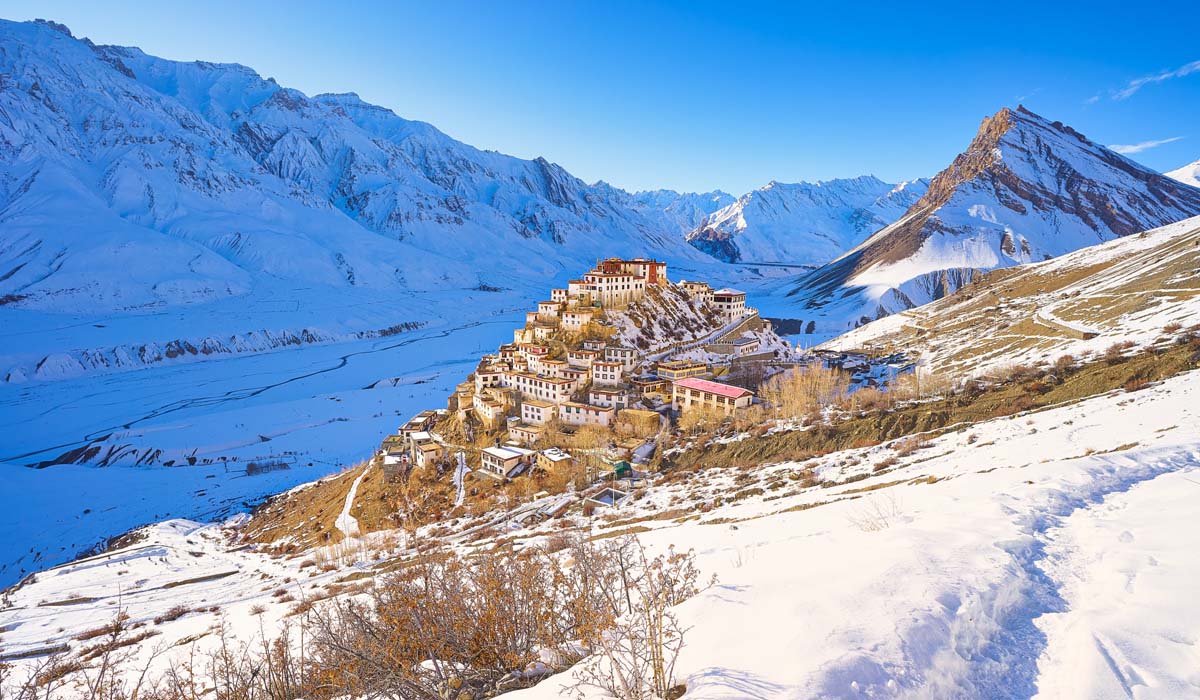
After breakfast, head towards the famous Key Monastery, one of the most prominent Buddhist monasteries in Spiti Valley.
Explore the monastery and enjoy views across the Spiti River valley. From here, continue towards the high-altitude village of Kibber.
The trail offers spectacular views of rugged cliffs, barren slopes and the dramatic Spitian landscape.
After reaching Kibber, spend the evening exploring the village and interacting with local residents.
Overnight stay in Kibber.
Altitude: Approx. 14,000–15,000 ft
Trek: Approx. 8–10 km
Accommodation: Homestay/Camp
Today you enter deeper into the high-altitude landscapes of Spiti.
Trek through the rugged terrain around Kibber and Chicham, where the landscape changes dramatically into a vast cold desert surrounded by towering mountains.
The trail provides excellent opportunities to observe the unique geology and wildlife of the region. With clear skies, the views across the Spiti mountains are spectacular.
Return to the village or campsite in the evening and enjoy a warm local meal.
Overnight stay in Kibber/nearby village.
Altitude: Up to approx. 15,640 ft
Trek: Approx. 13 km
Trek Time: 6–7 hours
Accommodation: Homestay
Today is one of the most exciting trekking days of the expedition.
Begin from the high-altitude village of Komic and follow the trail through the rugged cold-desert landscape towards Hikkim and the surrounding high passes.
The trail passes through open mountain terrain, farmlands and dirt paths, with spectacular views of the surrounding peaks.
The highest point of this route reaches approximately 15,640 ft, making acclimatization and a steady pace essential.
Continue towards Demul, a beautiful traditional village where you can experience authentic Spitian village life.
Overnight stay in a local homestay at Demul.
Altitude: Approx. 12,200–14,200 ft
Trek: Approx. 9 km
Trek Time: 4–5 hours
Accommodation: Homestay
After breakfast, begin the trek from Demul towards Lhalung.
The trail gradually descends through rugged mountain terrain and traditional agricultural areas. As you move towards Lhalung, the landscape becomes slightly greener compared to the barren upper reaches of Spiti.
Lhalung is known for its ancient monastery and peaceful surroundings. Spend the evening exploring the village and enjoying the serene Himalayan atmosphere.
Overnight stay in Lhalung.
Altitude: Dhankar approx. 12,800 ft | Dhankar Lake approx. 13,500–14,000 ft
Trek: Approx. 6–8 km
Accommodation: Hotel/Guesthouse
After breakfast, travel towards Dhankar, dramatically positioned above the confluence of the Spiti and Pin Rivers.
Explore the historic Dhankar Monastery before beginning the hike towards Dhankar Lake.
The trail to the lake is short but steep in sections and becomes challenging because of the high altitude. Take your time and maintain a comfortable pace.
After enjoying the spectacular views around the lake, descend back to Dhankar and drive towards Kaza.
Overnight stay in Kaza.
Drive: Full-day mountain journey
Accommodation: Not included
After breakfast, begin your return journey towards Manali.
As you leave Spiti Valley behind, take in the final views of the dramatic mountains and high-altitude desert landscapes.
The expedition ends in Manali with unforgettable memories of trekking through one of the most remote and spectacular regions of the Himalayas.
End of the Spiti Valley Trek.
Inclusions
- Accommodation during the trek as per itinerary
- Hotel/guesthouse stay in Kaza
- Local homestay accommodation during village stays
- Camping accommodation wherever required
- All meals during trekking days
- Breakfast and dinner during stay days as mentioned
- Experienced trek leader/local trekking guide
- Support staff during trekking sections
- Necessary camping equipment
- Sleeping bags and mattresses
- First-aid kit and basic medical supplies
- Necessary permits and entry charges
- Transportation as mentioned in the itinerary
- Trekking and camping equipment required for the expedition
- Local assistance throughout the journey
Exclusions
- Transportation to Manali and from the final departure point unless specifically mentioned
- Personal expenses
- Insurance
- Medical expenses
- Emergency evacuation costs
- Porter or mule charges for personal luggage
- Any additional accommodation caused by bad weather or road closures
- Meals not mentioned in the itinerary
- Bottled water and personal beverages
- Camera fees at monasteries or sightseeing places
- Any cost arising due to natural calamities, landslides, roadblocks or unforeseen circumstances
- Anything not specifically mentioned under inclusions
Things to Carry
Clothing
- Lightweight trekking T-shirts
- Warm fleece jacket
- Down jacket
- Waterproof/windproof jacket
- Trekking pants
- Thermal innerwear
- Woollen cap
- Sun hat/cap
- Woollen gloves
- Extra pair of socks
- Comfortable innerwear
- Lightweight rain protection
Footwear
- Good-quality trekking shoes with proper grip
- Camp shoes/slippers
- Extra shoelaces
Trekking Essentials
- Backpack with rain cover
- Headlamp with spare batteries
- Trekking poles
- Sunglasses with UV protection
- Sunscreen SPF 50+
- Lip balm with SPF
- Water bottles or hydration bladder
- Personal first-aid kit
- Personal medicines
- Reusable water bottle
- Small towel
- Toiletries
- Hand sanitiser
- Wet wipes and tissues
- Personal identification documents
Other Useful Items
- Power bank
- Camera/phone
- Extra batteries
- Small dry bags
- Plastic/zip-lock bags for wet clothes
- Energy bars and dry fruits
- Personal snacks
- Sunglasses
- Trekking gloves
Important: Spiti is a high-altitude region with strong sunlight, cold temperatures and limited facilities in remote villages. Pack light but make sure you carry adequate warm and weatherproof clothing.
Why Choose Trekking Zen for Spiti Valley Trek?
- Experienced Local Trek Team
Our experienced trek leaders and local support team understand the terrain, weather and high-altitude conditions of Spiti Valley, helping you enjoy the journey safely and comfortably. - Carefully Planned Acclimatization
High altitude is one of the biggest challenges in Spiti. Our itinerary includes acclimatization time and gradual exposure to higher elevations so that your body gets time to adjust. - Explore Beyond the Usual Tourist Route
Spiti is much more than Kaza and its famous monasteries. Our trekking experience takes you through remote villages, mountain trails, high-altitude landscapes and lesser-explored corners of the valley. - Authentic Village Experiences
Stay in local homestays and experience the traditional lifestyle, food and hospitality of Spitian communities. These experiences bring you closer to the culture of the region. - Scenic Himalayan Trails
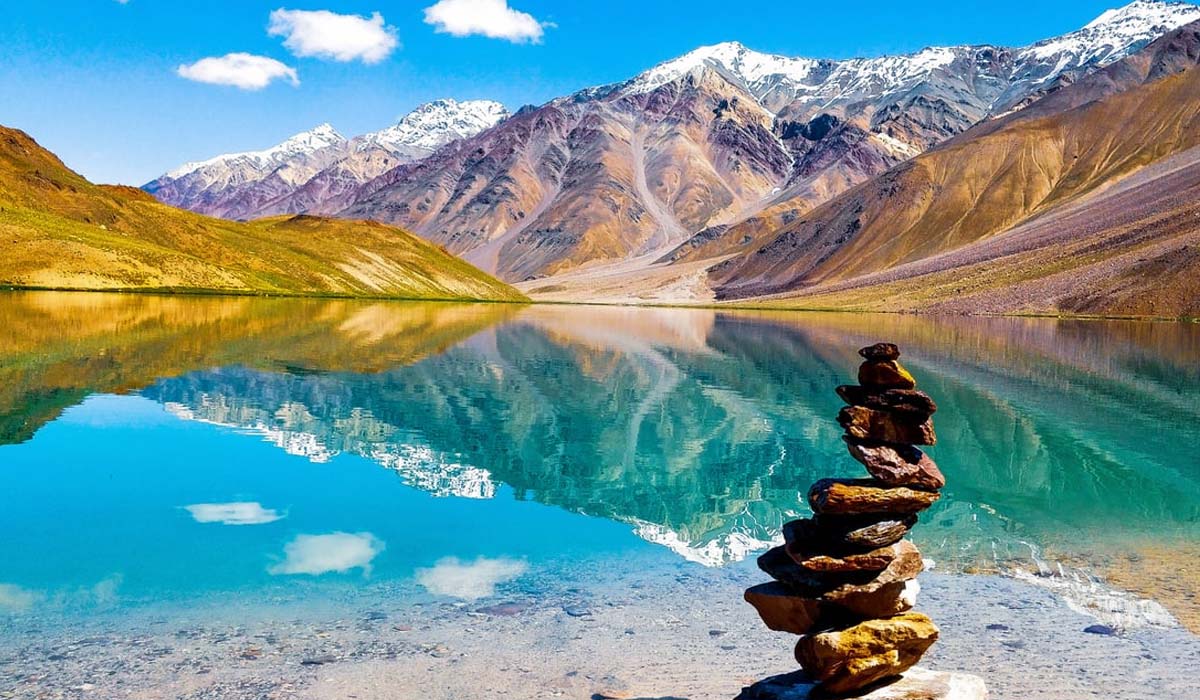
From barren mountains and deep valleys to ancient monasteries and high-altitude lakes, every section of the journey offers a completely different Himalayan landscape. - Safety Comes First
Our trek team carries essential first-aid equipment and follows responsible trekking practices. We continuously monitor weather and trail conditions and can modify the itinerary when required for safety. - Comfortable Support Throughout the Journey
From accommodation and meals to transportation and trekking support, we take care of the essential arrangements so that you can focus on experiencing the mountains. - A Journey, Not Just a Trek
The Spiti Valley Trek combines adventure, culture, spirituality and exploration. With Trekking Zen, you don't simply visit Spiti—you experience its landscapes, villages, monasteries and people on a deeper level.